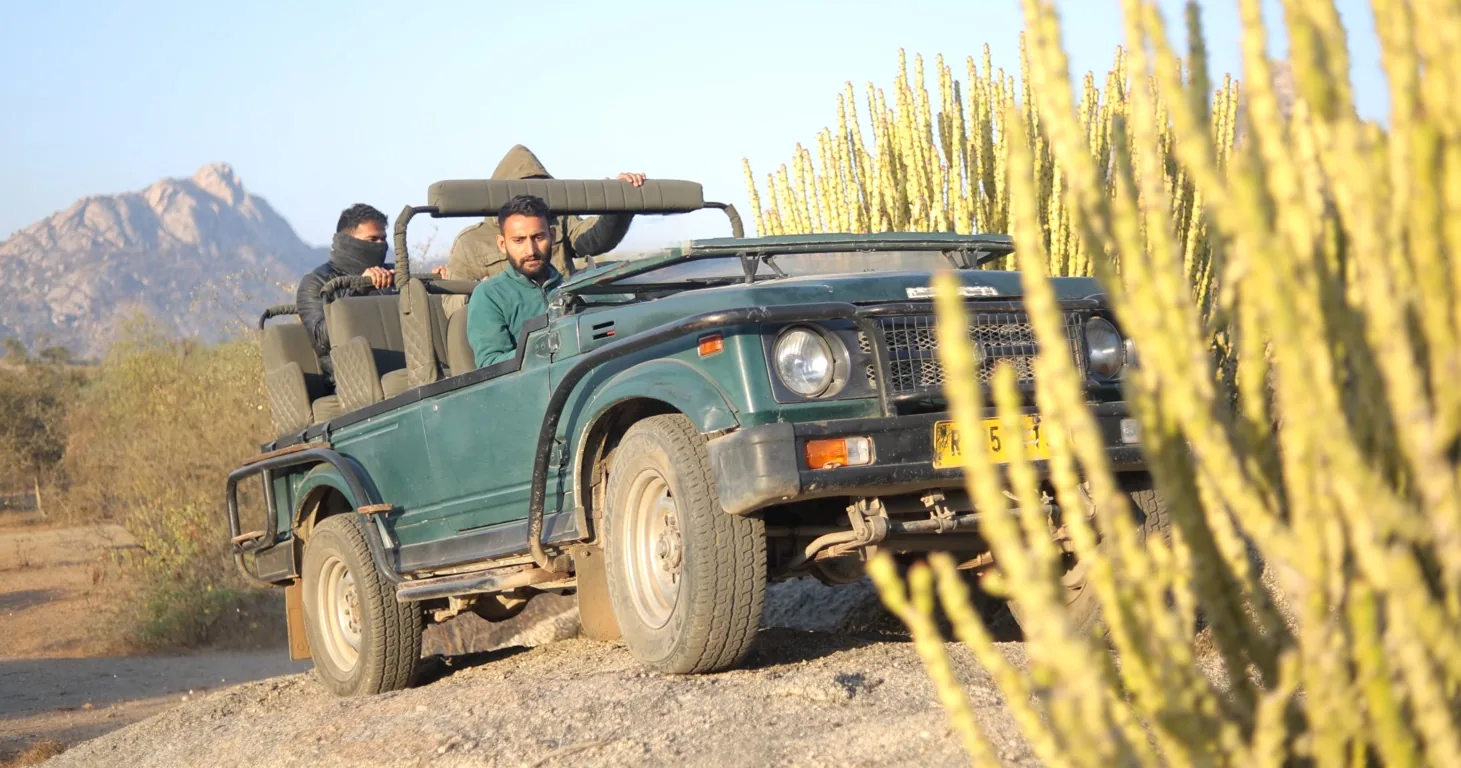
Pack comfortable outdoor clothing, closed footwear, a removable warm layer, sun protection, drinking water as arranged and a small bag for essentials. Bring binoculars or a camera if you enjoy wildlife viewing, and keep equipment secure in the vehicle.
What should you wear?
Choose clothing that lets you sit comfortably for the planned drive. Think about changing conditions between departure and return, especially in an open vehicle. Keep a removable layer within reach rather than packed beneath luggage.
Footwear and small items
Choose secure shoes and a hat that is easy to hold onto. Avoid loose items that can fall from the vehicle. Ask the team about expected conditions for your dates before making your final packing choices.
What camera equipment is useful?
Use equipment you already know how to operate. A longer lens or binoculars can help you observe from a distance. Keep a lens cloth, charged batteries and sufficient storage with you, and protect equipment from dust or rain when needed.
Photograph with patience
Do not ask your guide to crowd an animal to improve a picture. A wider frame showing the landscape can tell the story of Jawai just as well as a close portrait.
What belongs in your day bag?
- Your booking confirmation and any identification requested by the operator.
- Water and refreshments according to the agreed arrangements.
- Sun protection, a light layer and protection for equipment.
- A charged phone, small power bank and space to bring litter back.
Keep it manageable
Check available space before bringing large camera bags, tripods or extra luggage. The safari vehicle may not have room for everything from your transfer car.
What should families check beforehand?
Tell the team the ages of children and discuss seating, the expected length of the drive and any breaks. Bring familiar essentials without overloading the group. Talk through quiet behaviour and following the guide’s directions before you set off.
Ask rather than assume
If a member of your group has mobility or comfort requirements, discuss them before booking. Use the safari enquiry to explain what would help the team assess the arrangements.
Editorial note: this guide combines researched destination context with suggested trip planning. Confirm current access, prices and arrangements for your dates. Sources and editorial approach.